Creating a vibrant and inviting yard begins with careful plant installation. Whether you are a seasoned gardening enthusiast or just starting, understanding the nuances of plant placement can make all the difference in achieving a flourishing landscape. From selecting the right species to ensuring they thrive in your specific environment, each decision impacts both aesthetics and plant health. Here are essential tips to guide your journey toward successful plant installation.
Understanding Your Space
Before diving into planting, it's crucial to analyze your yard's unique characteristics. Take time to observe sunlight patterns throughout the day. Certain areas may receive full sun, while others might be shaded by trees or buildings at different times. This knowledge is vital for selecting the appropriate plants that will thrive in their designated spots.
Next, assess your soil quality. A simple test can reveal pH levels and nutrient content, guiding you toward necessary amendments before planting. Healthy soil supports robust root systems and ensures plants receive adequate nutrients. If your soil is sandy or clay-heavy, consider how this affects drainage and moisture retention.
Additionally, think about existing elements in your landscape. Hardscaping features like patios or walkways influence where you can plant. Incorporate these structures into your design to create harmonious transitions between hard and soft landscaping.
Selecting the Right Plants
Choosing suitable plants is often the most enjoyable yet challenging part of garden design. Consider climate zones when making selections; some plants thrive only in specific environments. If you live in a region with harsh winters or scorching summers, opt for varieties known to withstand those conditions.
When selecting plants, think about their growth habits, including height, width, and overall spread when mature. Grouping plants with similar water and light requirements ensures they flourish together without competition for resources.
Native plants are another excellent choice as they are adapted to local conditions and generally require less maintenance once established. They also support local wildlife by providing food and habitat for birds, pollinators, and beneficial insects.
Timing Matters
Timing plays an essential role in successful plant installation. Different species of shrubs, trees, and flowers have specific planting seasons that align with their growth cycles. Spring and fall are typically ideal seasons for most planting activities because temperatures are milder.
If you plan on installing perennials or biennials, early spring allows them to establish roots before summer heat arrives. Conversely, if you're looking at annuals or tender flowers that can't withstand frost, late spring is optimal after the last frost date in your area.
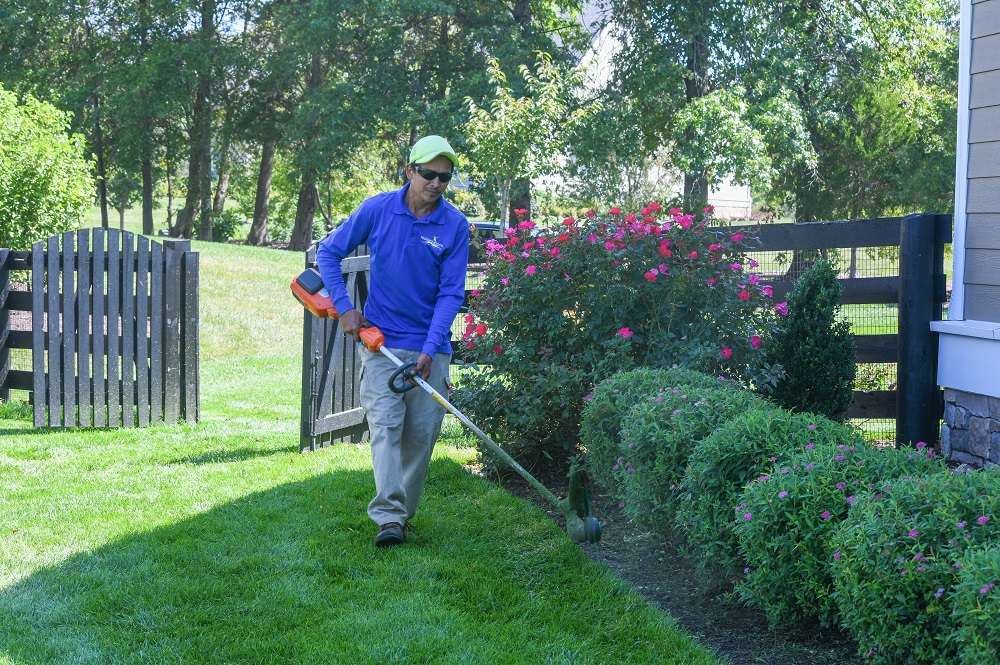
Seasonal planting also extends to incorporating seasonal highlights such as bulbs in autumn or winter evergreens that add structure during colder months. This practice encourages year-round interest in your garden space.
Preparing for Planting
Preparation is key to ensuring a smooth installation process and healthy plants down the line. Start by clearing the area where you plan to install new flora; removing weeds will help prevent competition for nutrients later More helpful hints on.
Once cleared, amend your soil based on previous assessments—mixing compost can enhance nutrient levels while improving drainage capabilities. When preparing holes for planting, ensure they are deep enough to accommodate root systems but not so deep that water collects around them post-installation.
For larger installations involving trees or shrubs, consider digging wider holes than necessary; this provides ample space for roots to spread out rather than being confined.
Planting Techniques
Proper planting techniques significantly impact how well your plants adapt post-installation. Begin by gently removing each plant from its container; avoid pulling on stems which could damage delicate roots. For balled-and-burlapped trees or shrubs, remove any wire or twine from around the root ball before placing it into the hole.
Position each plant so that it sits at the same depth as it was growing previously; burying too deeply can suffocate roots while exposing them above ground leads to drying out quickly.
After placing each plant correctly within its hole, backfill with soil while gently pressing down around roots to eliminate air pockets—this is critical as trapped air can disrupt water absorption later on.
Water thoroughly after planting to settle soil around roots; this initial watering helps establish contact between soil particles and root systems—a crucial step in ensuring healthy growth moving forward.
Mulching: A Critical Step
Mulching serves multiple purposes beyond aesthetics; it retains moisture within the soil while suppressing weed growth around newly installed plants—two vital factors during establishment periods when young roots are still developing strength.
Apply mulch evenly across beds but avoid mounding it against stems as this can promote rot over time—keeping mulch about two inches away from stems creates healthier conditions overall.
Organic mulches like shredded bark or wood chips improve soil quality as they decompose over time—an added benefit if sustainability is part of your gardening philosophy!
Maintenance Post-Installation
Once you've successfully installed your chosen flora comes an equally important phase: maintenance during establishment periods varies depending on species but often includes regular watering schedules tailored according to weather conditions monthly checks for pests disease prevention strategies pruning needs based on growth patterns observed early stages development—all act together ensure longevity vitality future landscape design efforts!
Understanding watering needs is particularly crucial; young plants typically need consistent moisture until their root systems become established—this may mean more frequent watering during hot spells compared with cooler months where natural rainfall could suffice!
Regularly inspecting foliage promotes early detection of potential issues—be vigilant against common pests such aphids caterpillars fungi! Developing an integrated pest management strategy combines cultural practices biological controls minimizes chemical interventions promotes healthy ecosystems within gardens landscapes alike!
Lastly don't forget about pruning! While many new gardeners hesitate at first learning proper techniques greatly enhances overall appearance encourages fuller denser growth forms desired shapes!
By following these guidelines—from understanding site conditions through selecting appropriate species preparing soils employing correct techniques maintenance—you'll set yourself up successfully every step way toward realizing outdoor planting beautiful flourishing outdoor spaces reflect personal style preferences while enhancing environmental benefits too!